
 Search

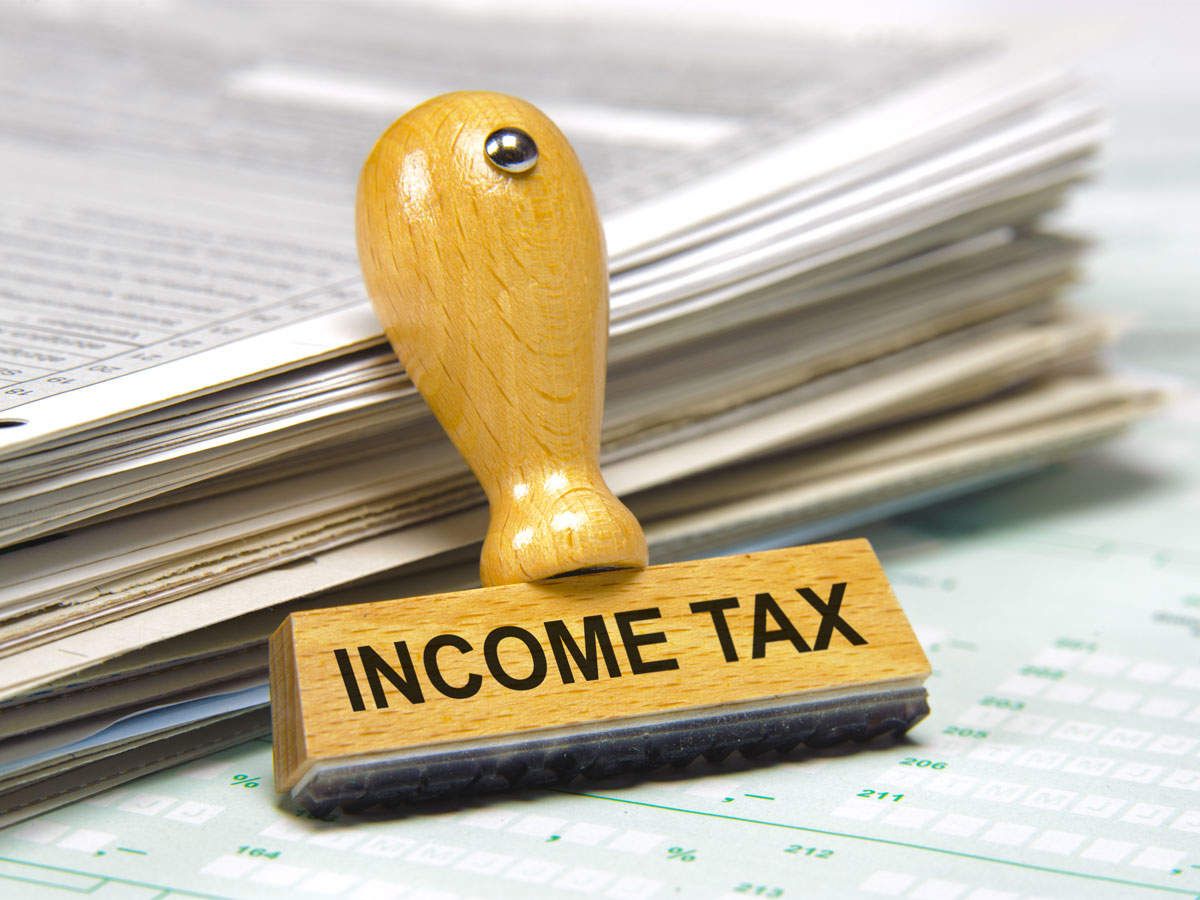


4 Steps to Calculate Personal Income Tax for Foreigners
During the integration process, many foreigners have come to live and work in Vietnam. They earn income from salaries and wages and are also subject to personal income tax according to Vietnamese regulations. So, how is personal income tax calculated for foreigners?

Personal income tax based on residence determination
First, when calculating personal income tax for foreigners, the first thing to do is to determine whether the foreigner is a resident or non-resident individual. Because each subject will have a different personal income tax rate.
Resident individuals

Being present in Vietnam for 183 days or more in a calendar year or for 12 consecutive months from the first day of presence in Vietnam, in which the date of arrival and date of departure are counted as one (01) day.
The date of arrival and date of departure are based on the certification of the immigration authority on the passport (or travel document) of the individual when entering and leaving Vietnam. In case of entry and exit on the same day, it is counted as one day of residence. The presence of an individual in Vietnam means that the individual is present in the territory of Vietnam.
Have a permanent residence in Vietnam in one of the following two cases:
- Have a permanent residence stated in the Permanent Residence Card or a temporary residence when registering for a Temporary Residence Card issued by a competent authority under the Ministry of Public Security.
- Having a rented house to live in Vietnam, according to the provisions of the law on housing, with a term of the rental contracts of 183 days or more in the tax year.
Non-resident individuals
A non-resident individual is an individual who does not fall into the above cases.
Salary range subject to personal income tax
As for non-resident individuals, they are not eligible for family deductions, so if they have taxable income, they will have to pay personal income tax (taxable income > 0 will have to pay tax).
As for resident individuals, depending on the income level, they will have to pay different tax rates.
How to calculate personal income tax for foreigners
Personal income tax for non-resident individuals
Taxable income for non-resident individuals is income arising in Vietnam, regardless of where the income is paid and received.
- Formula for calculating personal income tax of resident individuals:
PIT | = | Taxable income from wages and salaries | x | 20% |
Taxable income in this case is determined by the total salary, remuneration, wages, and other income of a wage or salary nature that the taxpayer receives during the tax period.
Determining taxable income from wages and salaries in Vietnam in the case of a non-resident individual working simultaneously in Vietnam and abroad but not being able to separate the income generated in Vietnam is done according to the following formula:

Noted
Other taxable income (before tax) arising in Vietnam mentioned above are other benefits in cash or non-cash that employees receive in addition to wages and salaries paid by or on behalf of employees by employers.
Personal income tax for resident individuals
- For individuals who have worked in Vietnam for 183 days
For individuals who have worked in Vietnam for 183 days or more in a tax year and are foreigners working in Vietnam, the organization or individual paying income shall base it on the taxpayer’s working time in Vietnam stated in the contract or document assigning them to work in Vietnam to temporarily deduct tax according to the progressive table:
Level | Taxed income per month | Tax rate | Payable PIT | |
Method 1 | Method 2 | |||
1 | Up to 5 million VND | 5% | 0 million VND + 5% Taxed income | 5% Taxed income |
2 | Over 5 million VND to 10 million VND | 10% | 0.25 million VND + 10% Taxed income over 5 million VND | 10% Taxed income – 0,25 million VND |
3 | Over 10 million VND to 18 million VND | 15% | 0,75 million VND + 15% Taxed income over 10 million VND | 15% Taxed income – 0,75 million VND |
4 | Over 18 million VND to 32 million VND | 20% | 1,95 million VND + 20% Taxed income over 18 million VND | 20% Taxed income – 1,65 million VND |
5 | Over 32 million VND to 52 million VND | 25% | 4,75 million VND + 25% Taxed income over 32 million VND | 25% Taxed income – 3,25 million VND |
6 | Over 52 million VND to 80 million VND | 30% | 9,75 million VND + 30% Taxed income over 52 million VND | 30 % Taxed income – 5,85 million VND |
7 | Over 80 million VND | 35% | 18,15 million VND + 35% Taxed income over 80 million VND | 35% Taxed income – 9,85 million VND |
- For individuals working in Vietnam for less than 183 days
For individuals working in Vietnam for less than 183 days in a tax year, deductions are made according to the Full Tax Schedule (10%).
Agreement on avoidance of double taxation of personal income
For foreigners who have income both in Vietnam and abroad, it is necessary to pay attention to whether they are subject to double taxation or not. Currently, Vietnam has signed Double Taxation Avoidance Agreements (DTAs) with many countries, the purpose of which is to eliminate double taxation by:
- exempting or reducing the amount of tax payable in Vietnam for residents of the countries that have signed the agreement or;
- deducting the amount of tax that Vietnamese residents have paid in the countries that have signed the agreement from the amount of tax payable in Vietnam.
You Should Seek Professional Personal Income Tax Advice
- Understand Clearly – Comply Properly
Vietnam’s tax system is complex and ever-changing. A qualified tax advisor helps you navigate the rules and stay fully compliant.
- Optimize Tax – Maximize Benefits
Tax advice isn’t just about paying taxes. It’s about discovering legal saving opportunities and reducing your overall tax burden.
- Avoid Penalties – Minimize Risks
Mistakes in declarations or late submissions can lead to serious fines. A professional tax consultant ensures you avoid costly errors.
Refer to Thele.blog’s Corporate Secretarial Services.

Leave A Comment